
CPN-PREV Wraps Up Its Capacity-Development Journey Across the Maritimes
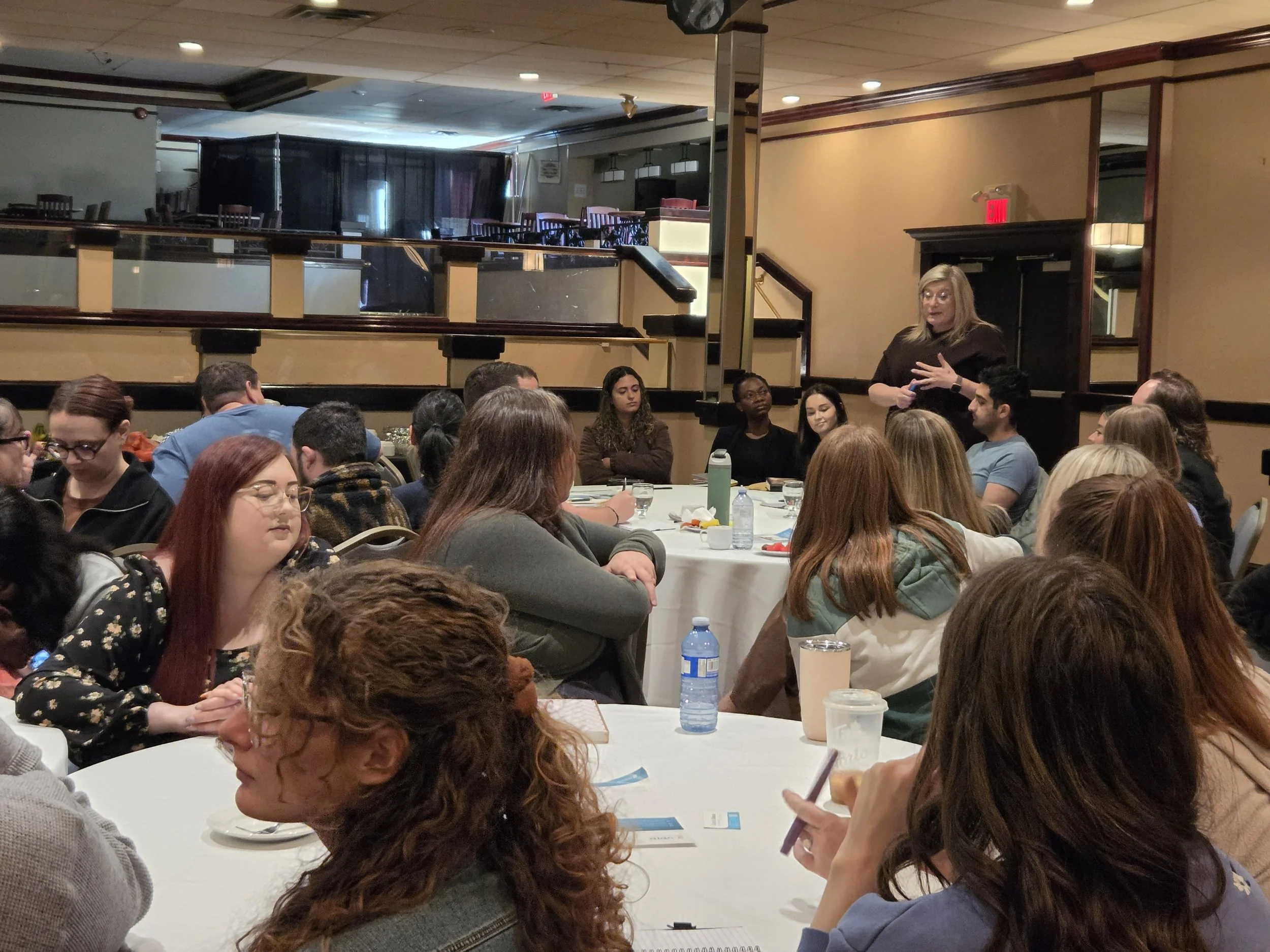
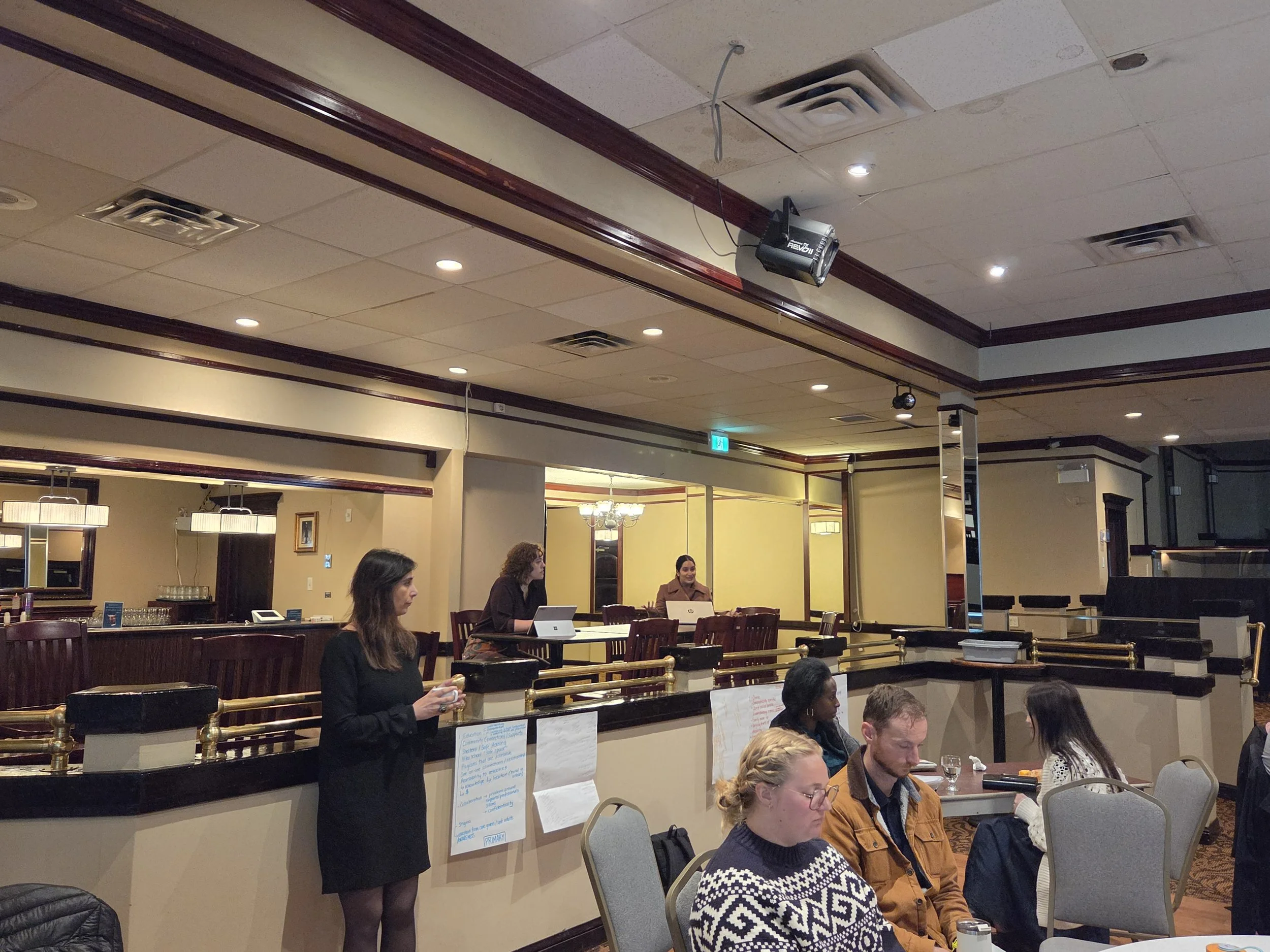
From Halifax to Prince Edward Island, Fredericton and, most recently, St. John’s, CPN-PREV has completed an important journey across the Maritimes to support the onboarding of new practitioners working in the prevention of violent extremism (PVE).
With the support and engagement of the Canada Centre for Community Engagement and Prevention of Violence, practitioners from the vPiP Community of Practice joined their knowledge, experiences and perspectives to co-design and deliver a three-day capacity-development workshop grounded in the realities of practice.
The journey began in Halifax in March 2026, in partnership with the Halifax Regional Municipality through the Upstream project, before continuing to Prince Edward Island, Fredericton, and finally St. John’s, Newfoundland and Labrador. Each workshop created an opportunity not only to introduce and deepen understanding of the PVE landscape, but also to learn from practitioners and communities about what prevention means within their particular contexts.
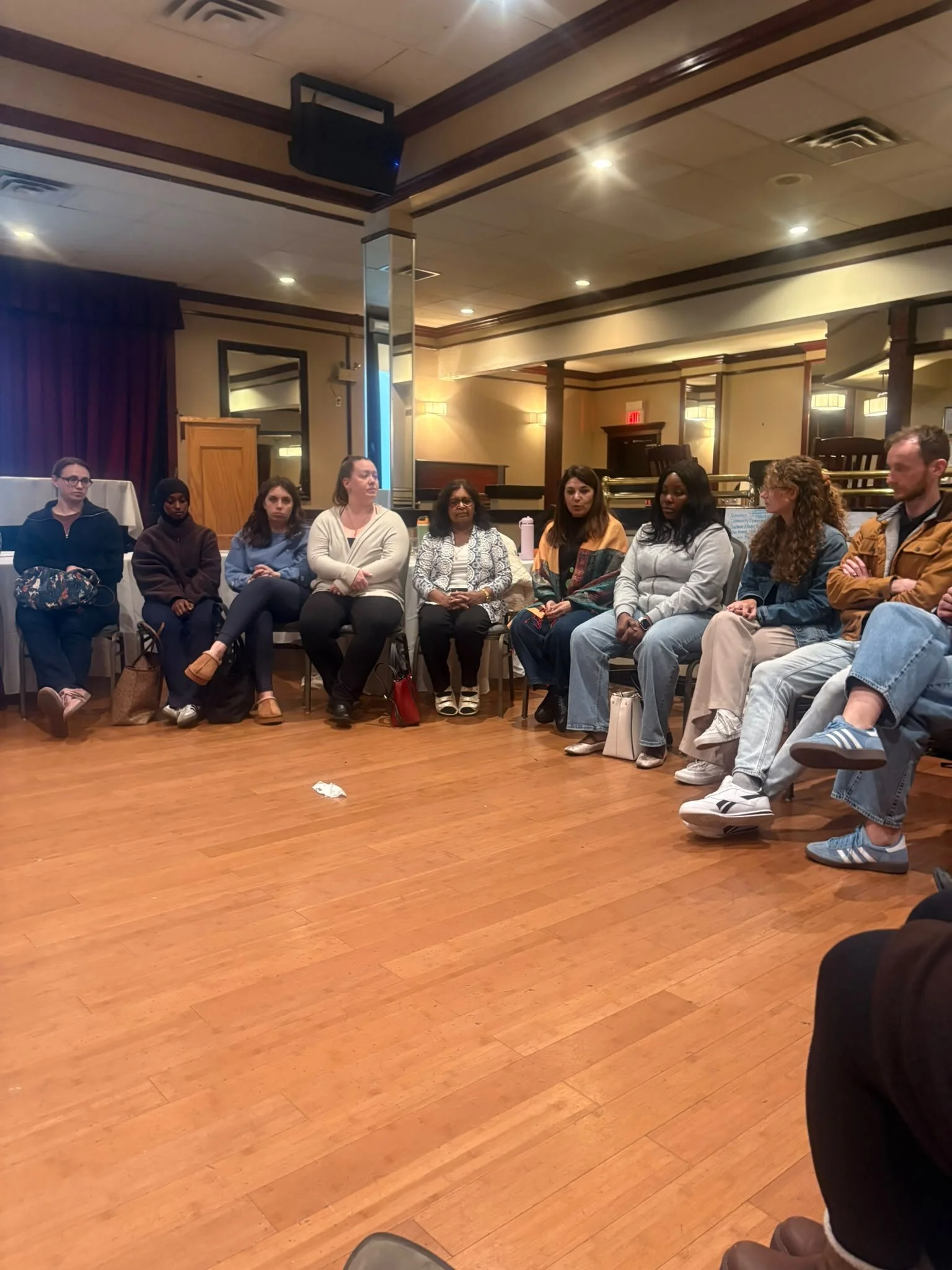
The St. John’s workshop brought together more than 40 participants from different sectors and areas of practice. Throughout the three days, conversations repeatedly returned to the realities experienced by young people navigating systems, resources and services that are too often inaccessible or insufficiently adapted to their needs. Rather than approaching violent extremism in isolation, the workshop situated violence within its broader ecosystem and invited participants to consider the systemic, relational and structural conditions that can shape vulnerability, belonging, grievance and pathways toward harm.
Grounded in dignity, positionality and relationality, the approach encouraged participants to move beyond identifying individual risks and behaviours to consider the environments in which violence emerges and the responsibilities held across systems and communities. Particular attention was given to the importance of recognizing and addressing systemic violence as part of meaningful prevention.
Participants highlighted the value of capacity development in strengthening their readiness to prevent extremist violence and their ability to recognize and respond appropriately and in a timely manner when concerns emerge. Their engagement throughout the workshop also demonstrated a strong willingness to contribute to prevention and response efforts within their own organizations and communities.
Perhaps one of the most meaningful outcomes of this journey has been the opportunity to make a subject that can often feel intimidating, highly specialized or even taboo more accessible without diminishing its complexity. By creating space for questions, uncertainty, dialogue and shared learning, the workshops approached PVE not as a field belonging only to specialists, but as a space in which practitioners across sectors have knowledge, relationships and responsibilities to contribute.
Completing this journey is also an opportunity to recognize the many people who made it possible. CPN-PREV extends its gratitude to the Canada Centre for Community Engagement and Prevention of Violence for its sustained engagement and support throughout the process, and to all the partners, practitioners and facilitators who contributed to the workshops across the Maritimes.
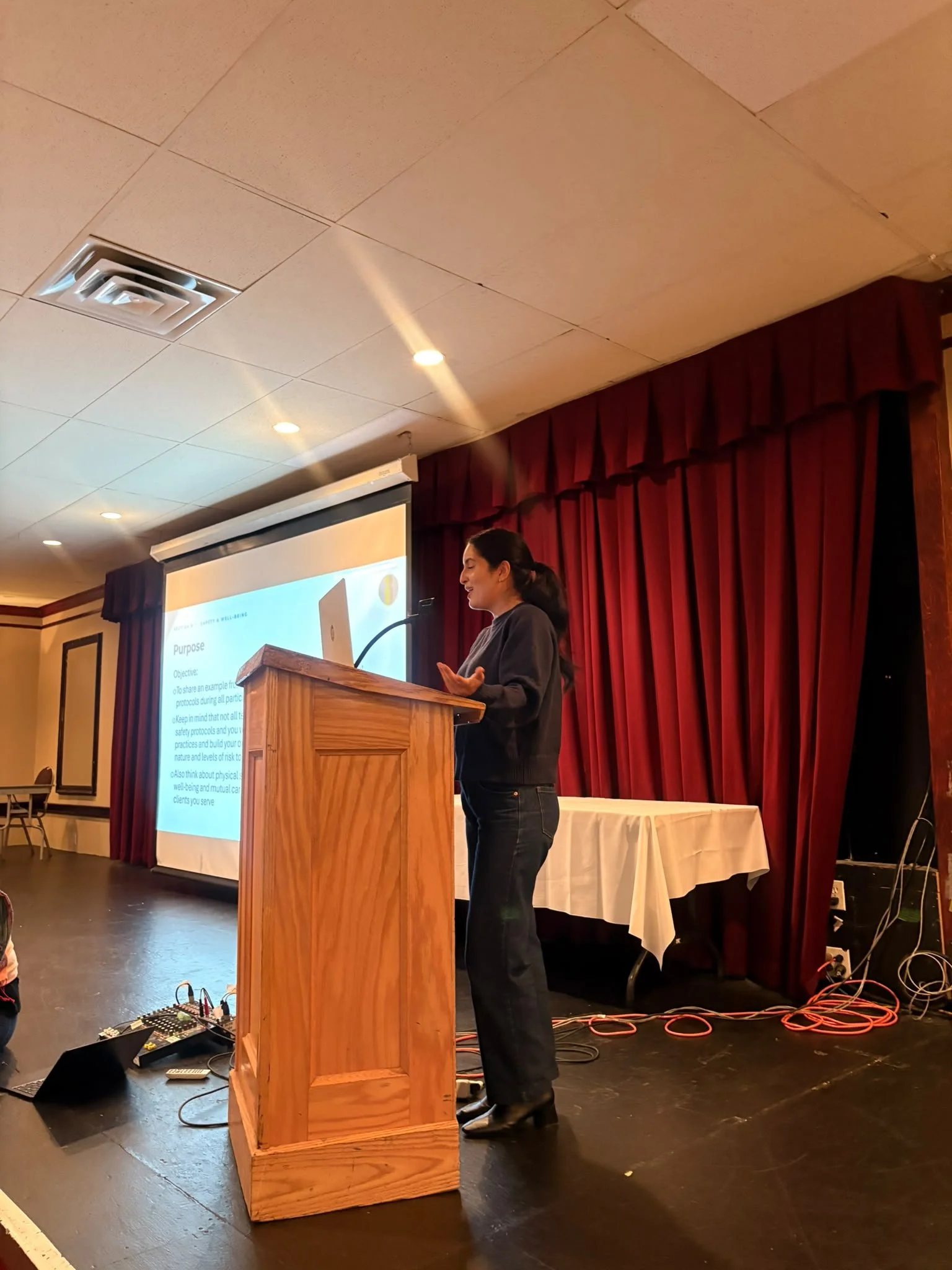
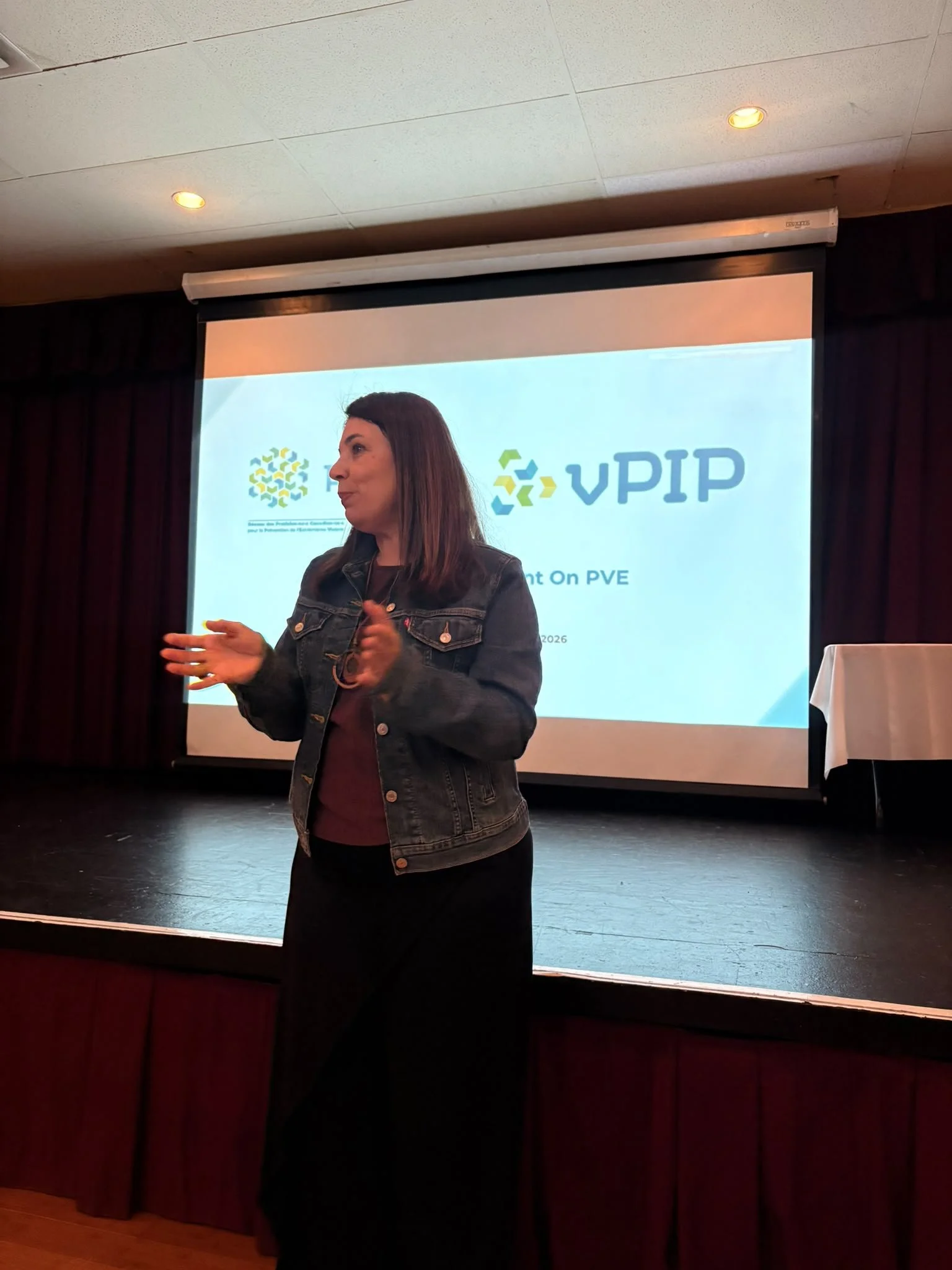
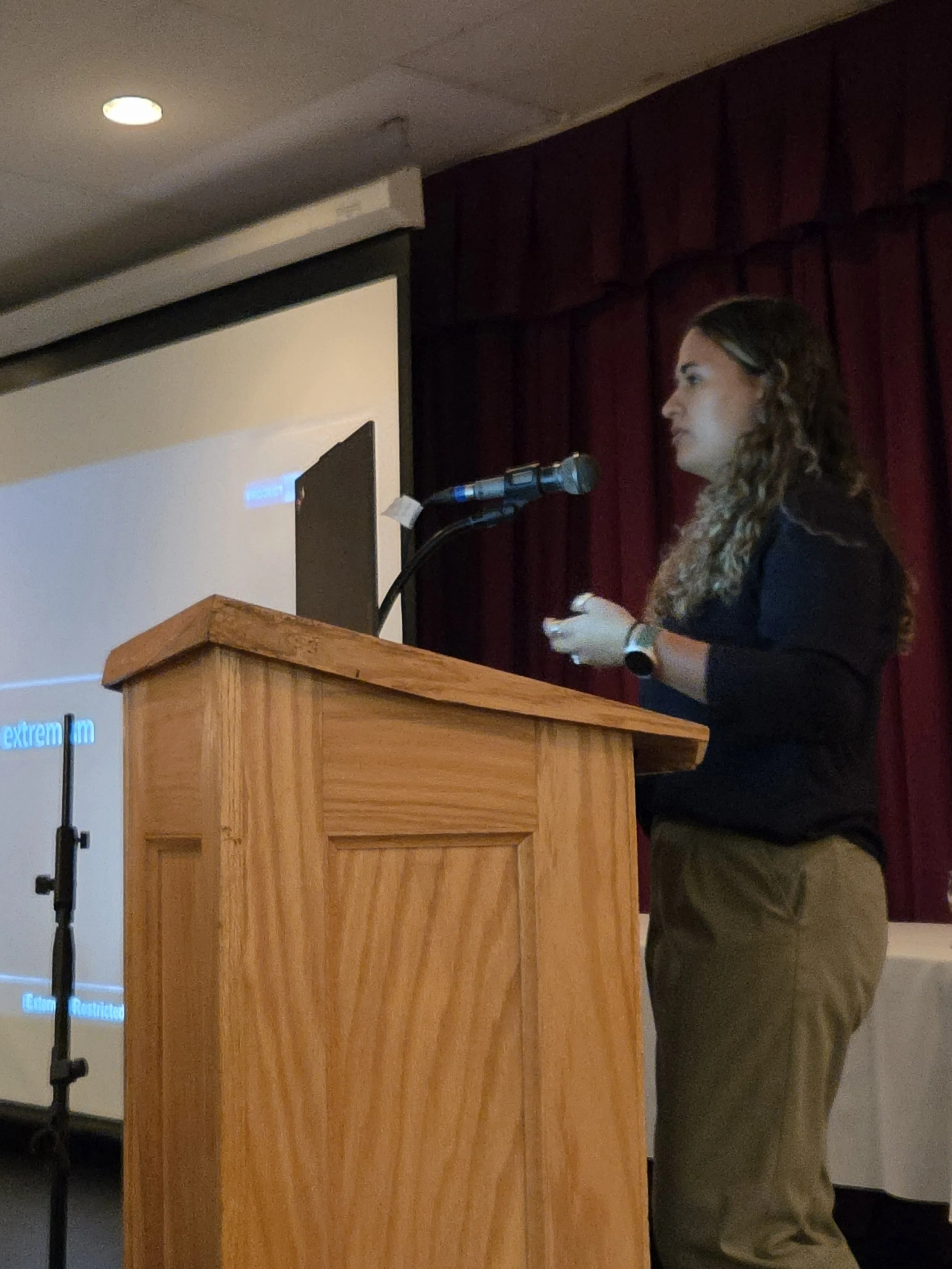
Special thanks go to the Newfoundland and Labrador “Dream Team” who facilitated the final workshop: Ghayda Hassan and Zeina Ismail-Allouche from CPN-PREV; Gabriella Zarama from Project RESET at John Howard Society; Zohra Tasci from ETA; and Elliott Simpson from Moonshot. Their dedication, generosity and willingness to bring different forms of expertise into conversation embodied the collaborative spirit at the heart of this initiative.
Our gratitude extends equally to everyone who facilitated, hosted and participated in the earlier workshops in Halifax (56 participants), Prince Edward Island (34 participants) and Fredericton (43 participants). Each gathering shaped the next, allowing the capacity-development process itself to evolve through listening, reflection and learning from practice.
While the St. John’s workshop marks the completion of this particular journey across the Maritimes, it is not an ending. The relationships built, questions raised and knowledge shared through these gatherings now travel back with participants into their organizations, communities and everyday practice—and continue through the growing vPiP Community of Practice and Hub.