

THRIVE Resources
CPN-PREV collaborates with a diverse range of partners to contribute to research and publications on the prevention of violent extremism.
This section features a curated collection of articles and resources to support ongoing learning and awareness of current developments in the field.
Browse by category to find content relevant to your areas of interest.
Please note some resources are only available in french or english and that some of these resources were published by members, network partners, or other reliable sources, but have not all been reviewed or evaluated by CPN-PREV.
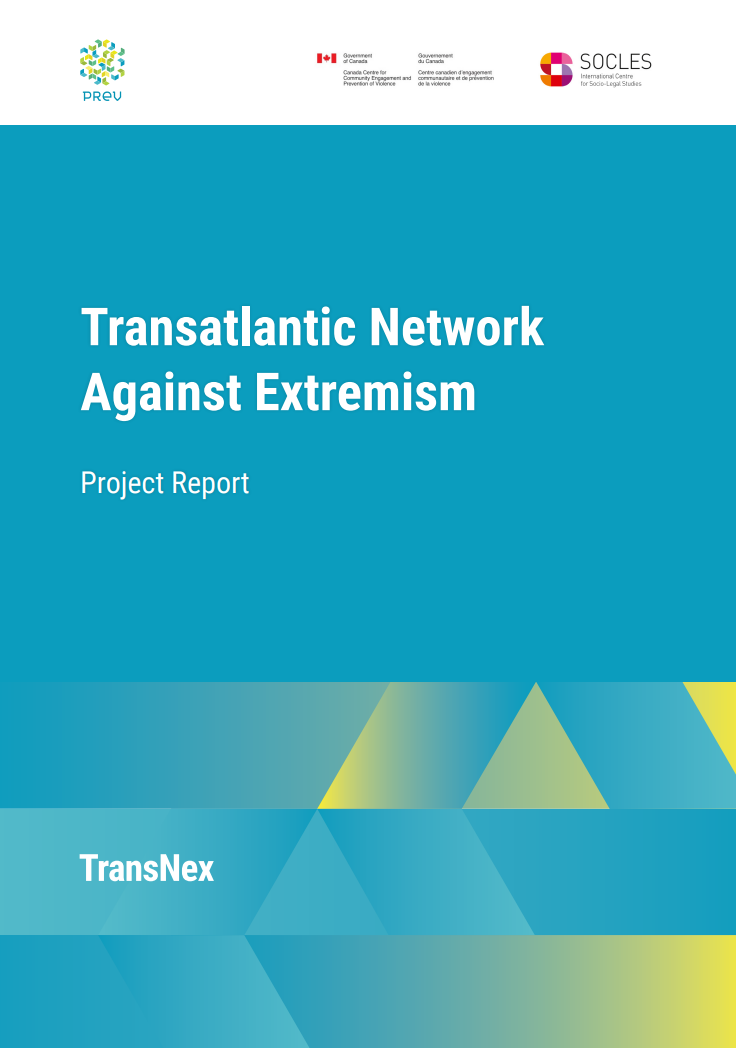
Transatlantic Network Against Extremism
[Anglais seulement]
This report summarizes the activities and outcomes of the Transatlantic Network Against Extremism (TransNex) project, a collaborative initiative between the SOCLES International Centre for Socio-Legal Studies and the Canadian Practitioners Network for The Prevention of Transatlantic Network Against Extremism (TransNex) Project Report Extremist Violence (CPN-PREV). Funded by the Government of Canada’s Community Resilience Fund (CRF), TransNex aims to enhance international cooperation in preventing violent extremism.
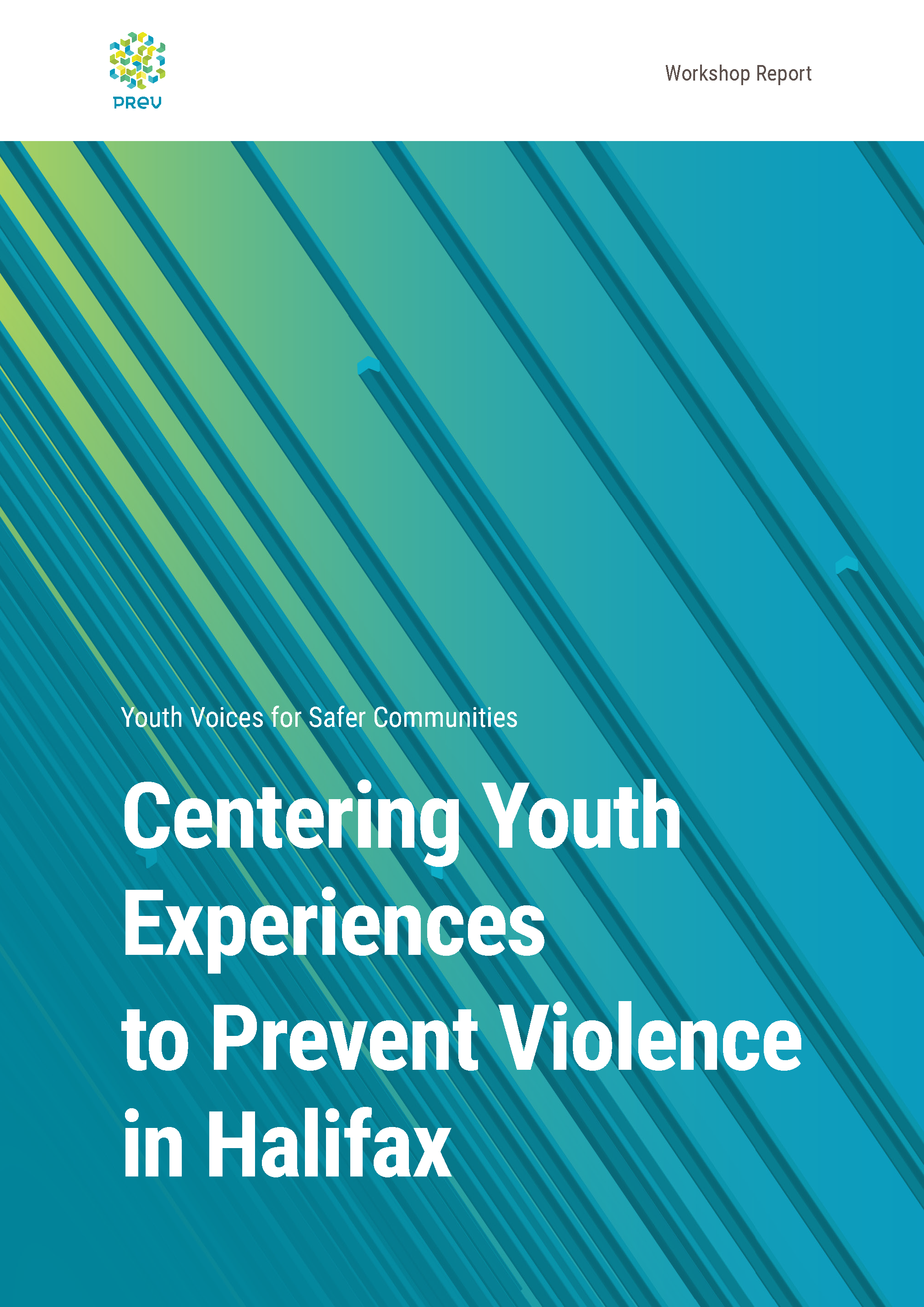
Centering Youth Experiences to Prevent Violences in Halifax
As of March 2025, CPN-PREV partnered with the Halifax Regional Municipality on Youth Voices for Safer Communities, an initiative that centers young people as key agents in shaping safer, more inclusive communities. Through dialogue, co-creation, and knowledge exchange, the partnership elevates youth perspectives to inform prevention strategies, strengthen community responses, and support policies grounded in dignity, equity, and lived experience.

Addressing Online Hate
The “Addressing Online Hate ” module developed by Project Someone and partner SERENE-RISC was launched on January 30th. This module was developed to enable libraries and community organizations to offer educational sessions and raise awareness about online hate.
CoVivre Program
The CoVivre program addresses the inequalities faced by marginalized groups through initiatives carried out with key players in the community, education and health and social services sectors. CoVivre acts as a facilitator and as an accelerator of initiatives aimed at reducing socio-economic and health disparities caused by the pandemic. More specifically, CoVivre aims to inform, protect and support marginalized communities during the COVID-19 pandemic in the Greater Montreal area.
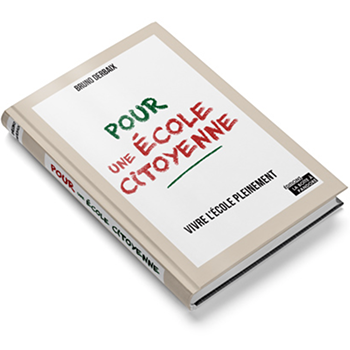
École Citoyenne
[English only]
“Ecole citoyenne” offers intercultural courses during which students can express themselves freely in class. Normally, the school has little time to work on multiple identities, also because teachers and educators do not know how to do it. For this reason, “école citoyenne” allows to know and recognize identities and thus create a common culture in line with the civic values of equality, freedom, emancipation and mutual aid. In their project files, the focus is on the possibility of opening up a space for discussion for the expression of identity. Concrete projects can be found on their website below.
Extreme Dialogue
[English only]
Extreme Dialogue is a cutting-edge project designed to provide young people with the tools they need to challenge extremism in all its forms. Through a series of compelling films telling the true stories of those affected by extremism, with supporting educational resources, it provides a range of perspectives on how violence, exclusion and hate change lives. Designed to be delivered by teachers, other education or youth practitioners, external facilitators or young people themselves, the free Extreme Dialogue films and educational resources can be supported by training workshops.

From Hate to Hope: Massive Open Online Course (MOOC)
In April of 2018, Global Affairs Canada awarded funding to the UNESCO-PREV Chair to create a massive open online course (MOOC) – titled “From Hate to Hope” that draws from cutting-edge research in multiple disciplines from humanities and social sciences to address strategies that build resilience against hate through the use of pluralistic dialogues. The resources showcased herein comprise of seven videos (each are available with English, French and Arabic subtitles) that were created as part of “From Hate to Hope” which feature the voices of experts in extremism, political science, psychology, religion, humanities, education, art-based pedagogies, sociology, media studies and computer science debating the multi-faceted nature of combating hate and designing effective primary prevention activities in scholastic as well as public spaces.

Mediasmarts Educational Games
[Anglais seulement]
Educational computer games that introduce kids to key ideas in media and digital literacy. These games are a great way to start a conversation on media issues in the home or classroom.
Signs of Radicalization – Training by the Centre for Child Protection (University of Kent)
[English only]
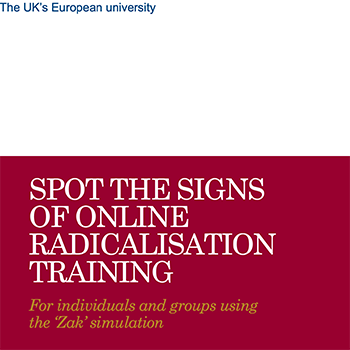
The Centre for Child Protection is providing trainings to help young people keep safe online. Their training sessions were designed to raise awareness about online grooming and radicalization. By providing some simulation techniques, participants will learn how young people can be groomed for radicalization via for example online gaming. These sessions allow young people to identify where online grooming may be taking place. They also develop their critical thinking skills and are encouraged to stay safe online. There are questions to each Vlog to generate discussion, as well as worksheets to gather evidence of teaching and learning.